

Tooth Sensitivity: Why It Happens and How Your Williamstown Dentist Can Help
December 18, 2025
Do you wince when sipping a hot coffee or feel a sudden jolt of pain when eating ice cream? If so, you’re not alone. Tooth sensitivity is one of the most common dental complaints we hear at Williamstown Road Dental Surgery. Whether it’s triggered by hot, cold, sweet, or acidic foods—or even brushing—sensitive teeth can affect your daily life and comfort.
In this blog, we’ll explore what causes tooth sensitivity, how to know when it’s time to seek help, and what your Williamstown dentist can do to relieve your discomfort and protect your smile.
What Is Tooth Sensitivity?
Tooth sensitivity, also known as dentin hypersensitivity, occurs when the underlying layer of your tooth—called dentin—is exposed. Dentin contains microscopic tubules that lead directly to the nerve of the tooth. When it’s exposed, stimuli such as temperature, pressure, or acidity can reach the nerve, causing sharp or aching pain.
It can affect one tooth, several teeth, or your entire mouth, and the sensation can range from mild discomfort to intense pain that disrupts your eating, drinking, and even breathing in cold air.
What Causes Tooth Sensitivity?
To effectively treat tooth sensitivity, it’s important to understand what’s behind it. Here are some of the most common causes we see in our Williamstown clinic:
1. Worn Tooth Enamel
Over time, aggressive brushing, abrasive toothpaste, or acid erosion from diet can wear down your tooth enamel—the outer layer that protects dentin.
2. Gum Recession
When gums recede due to ageing, brushing too hard, or gum disease, they expose the roots of your teeth, which are not protected by enamel.
3. Tooth Decay or Cavities
Sensitivity may be one of the first signs of decay. As cavities penetrate the enamel, they allow external stimuli to reach the nerves.
4. Cracked or Chipped Teeth
A cracked tooth may expose dentin or allow bacteria into the pulp, leading to inflammation and increased sensitivity.
5. Teeth Grinding (Bruxism)
Grinding or clenching can wear down enamel, increase stress on teeth, and cause microfractures that lead to sensitivity.
6. Recent Dental Procedures
It’s not unusual to experience temporary sensitivity after fillings, crowns, or teeth whitening. If it persists, it’s best to have it checked.
When to See a Williamstown Dentist

Occasional, mild sensitivity might not be a cause for concern. However, if your discomfort is:
- Persistent or worsening
- Localised to one area or tooth
- Disrupting your ability to eat or drink
- Accompanied by swelling, bleeding, or visible damage
…it’s time to book an appointment with your local Williamstown dentist. At Williamstown Road Dental Surgery, we’ll perform a thorough examination and recommend the best course of treatment based on the cause of your sensitivity.
How We Treat Tooth Sensitivity at Williamstown Road Dental Surgery
Our team takes a tailored approach to sensitivity treatment, depending on what’s causing your discomfort. Here’s how we can help:
Desensitising Toothpaste Recommendations
For mild cases, a change in toothpaste can make a significant difference. We may recommend a clinically proven toothpaste that contains ingredients to block the tubules in your dentin and reduce nerve stimulation
Fluoride Treatments
In-office fluoride varnish or gel treatments can help strengthen your enamel and reduce sensitivity over time
Dental Bonding or Sealants
If your dentin is exposed due to enamel loss or gum recession, we may apply a bonding agent or sealant to cover the exposed area and reduce discomfort.
Gum Grafting
For advanced gum recession, a minor surgical procedure called a gum graft may be performed to cover the exposed roots and restore protection.
Restorative Treatments
If your sensitivity is due to decay, cracks, or worn restorations, we’ll address the underlying issue with a filling, crown, or other dental solution.
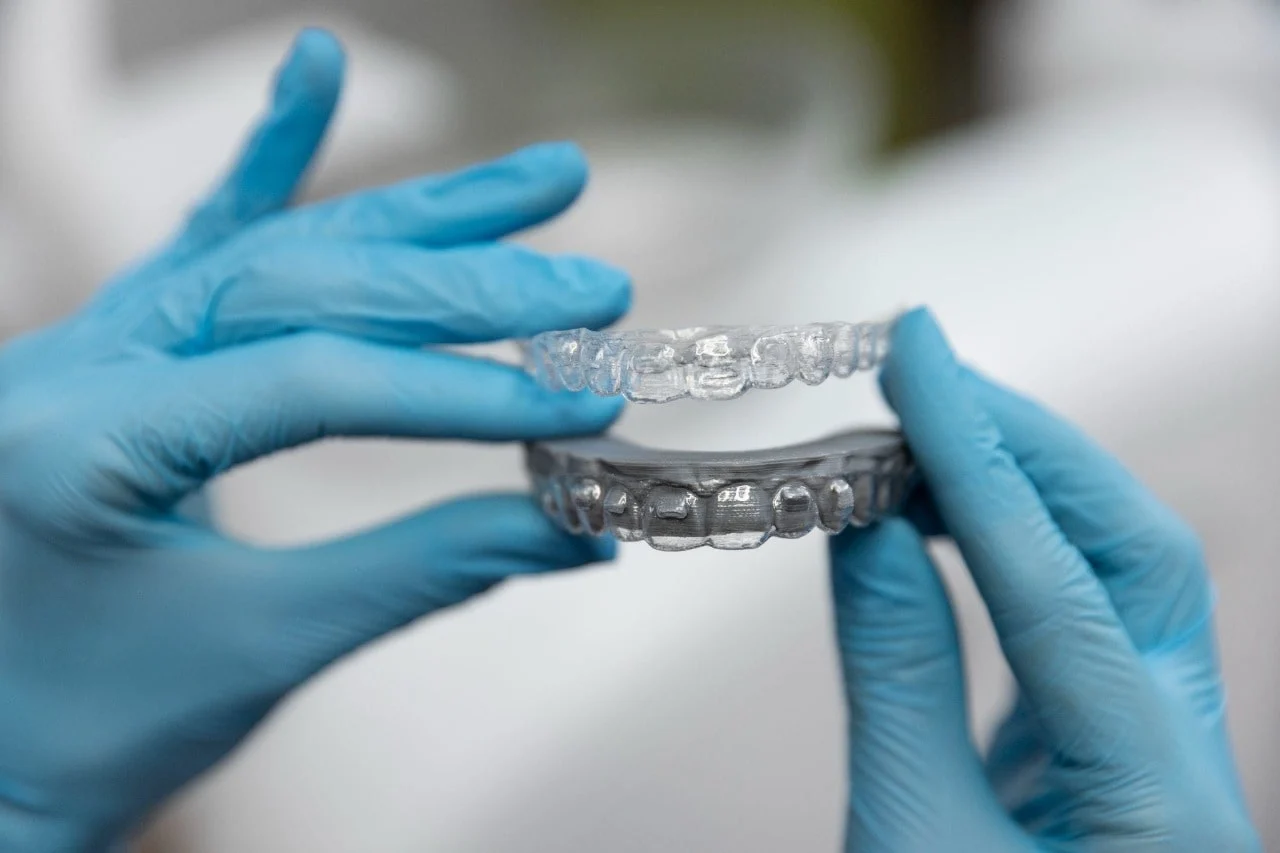
Night Guards for Teeth Grinding
If grinding is the culprit, a custom night guard can protect your enamel while you sleep and reduce long-term wear.
Preventing Future Tooth Sensitivity

Once your sensitivity is under control, prevention becomes key. Here are some tips we often share with our Williamstown patients:
- Use a soft-bristled toothbrush and gentle pressure when brushing
- Avoid acidic foods and drinks like citrus, soda, and vinegar
- Switch to sensitive-friendly, fluoride-rich toothpaste
- Avoid aggressive whitening products
- Visit your dentist regularly for dental cleanings and check-ups
- If you grind your teeth, use a custom night guard
- Maintain good gum health with daily flossing and professional cleaning
Our team is always happy to guide you on the right dental products and habits to support a healthy, pain-free smile
Trusted by the Williamstown Community
At Williamstown Road Dental Surgery, we pride ourselves on offering gentle, effective care for all kinds of dental concerns, especially when it comes to tooth sensitivity. Our modern approach, combined with years of experience, means we can pinpoint the cause of your discomfort and provide long-lasting relief.
Don’t Live with Tooth Sensitivity – Book Your Appointment Today
If you’re tired of flinching every time you take a sip of coffee or a bite of something cold, it’s time to take action. With the right care, tooth sensitivity is manageable—and often reversible
Let Williamstown Road Dental Surgery help you restore comfort, confidence, and control over your dental health